Public
Engagement

Gatherings, village visits, felicitations and media interactions — the ordinary occasions of public life, and the reason they are the working method rather than the decoration.

Why it matters

Most of what
matters is said
in person

A representative learns very little from files. The information that changes a decision arrives in courtyards and under marquees, at the edge of a field, in the ten minutes after a function has formally ended and people feel able to speak.

It arrives in a particular form, too: not as a policy position but as a specific grievance about a specific thing. The transformer that has been out since March. The mill payment that has not come. The teacher who has not been posted. Those specifics are the raw material of everything else — the parliamentary question, the departmental letter, the committee reference.

The photographs on this page are from that side of the work. They record the settings rather than making claims about outcomes; captions describe what is visible and nothing more.

A large indoor public gathering with Harish Dwivedi and community members seated in a decorated hall

A community gathering in a decorated hall. Formats like this — large, seated, semi-formal — are how most rural constituency listening actually happens, and they typically end with a queue of people wanting a private word.

Community gathering
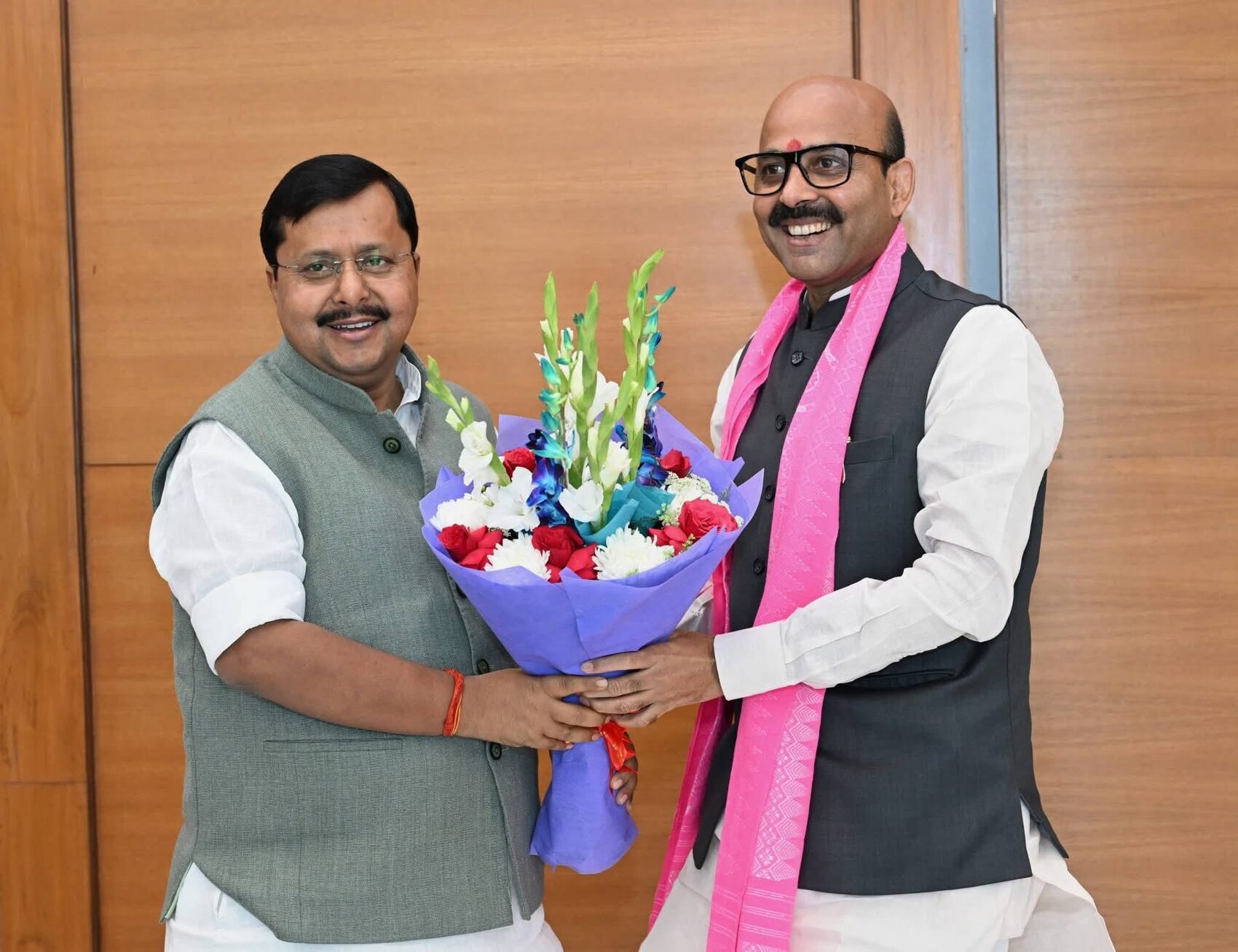
Harish Dwivedi being welcomed with a bouquet of flowers by a host in an indoor setting
Received with flowers on arrival. Welcome and felicitation are the standard opening of almost every public occasion in India, and they are where the first conversation happens.
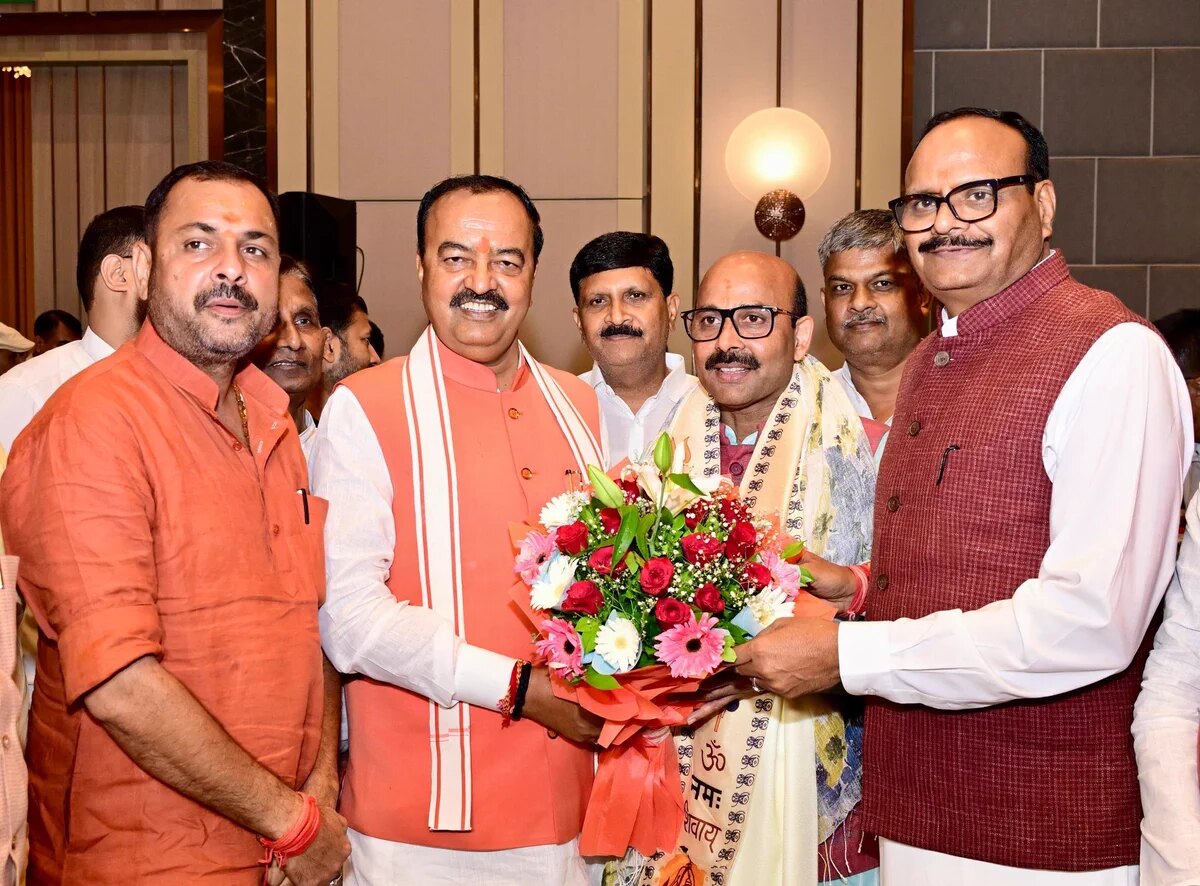
Harish Dwivedi receiving a bouquet from colleagues at an indoor function
A felicitation among colleagues at a function.
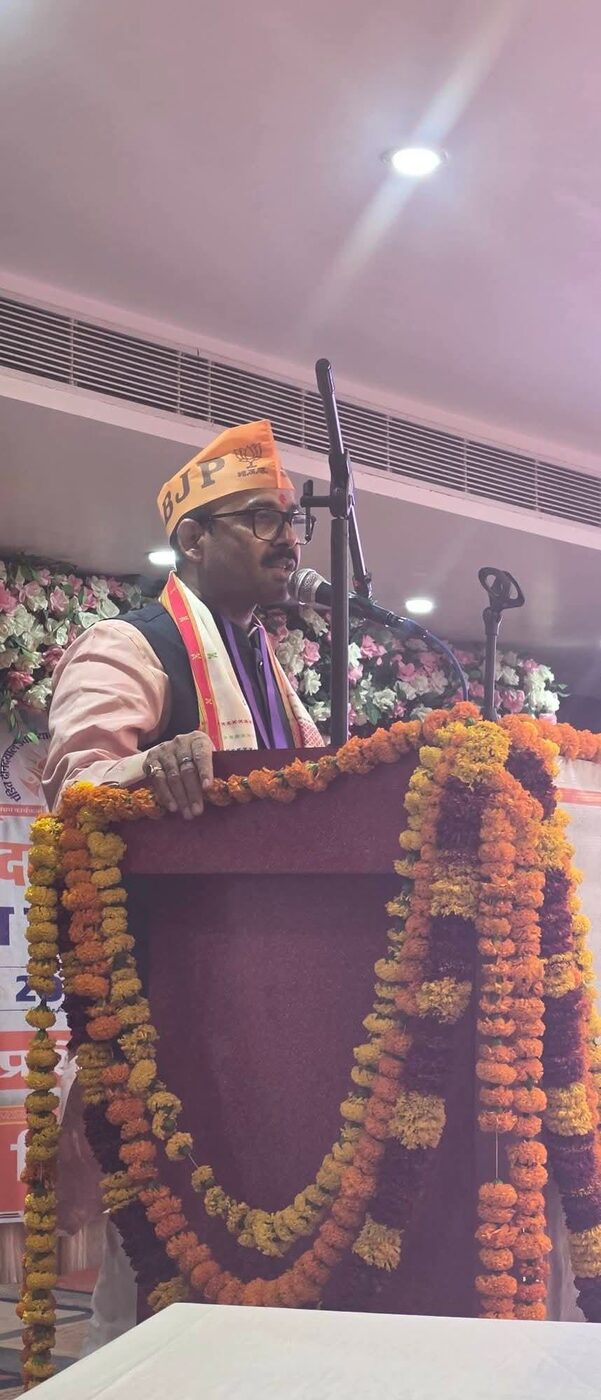
Harish Dwivedi addressing an audience from a podium decorated with marigold garlands
Speaking from a garlanded podium.

Speaking is the smaller half of it

The address from the stage is the part of a public function that gets photographed. It is rarely the part that matters most. A speech sets out a position; it does not tell you anything you did not already know.

The useful half comes afterwards, when the formal programme is over and the hall empties slowly. That is when individual cases are raised — a pension not received, a land record not corrected, a hospital referral not honoured — and when the pattern across many such cases starts to become visible.

A representative who leaves immediately after speaking has attended an event. One who stays until the last person has spoken has done constituency work.
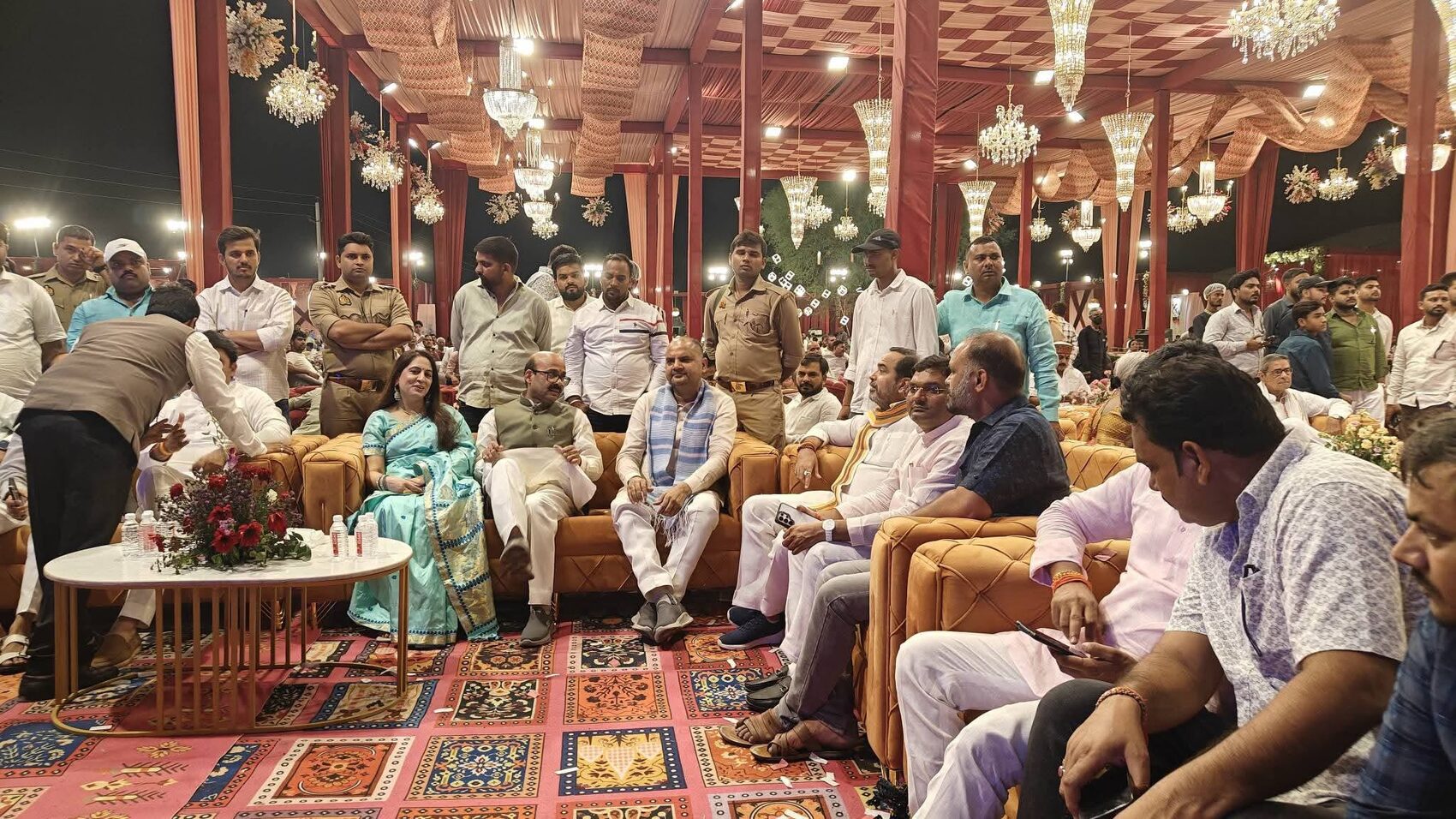
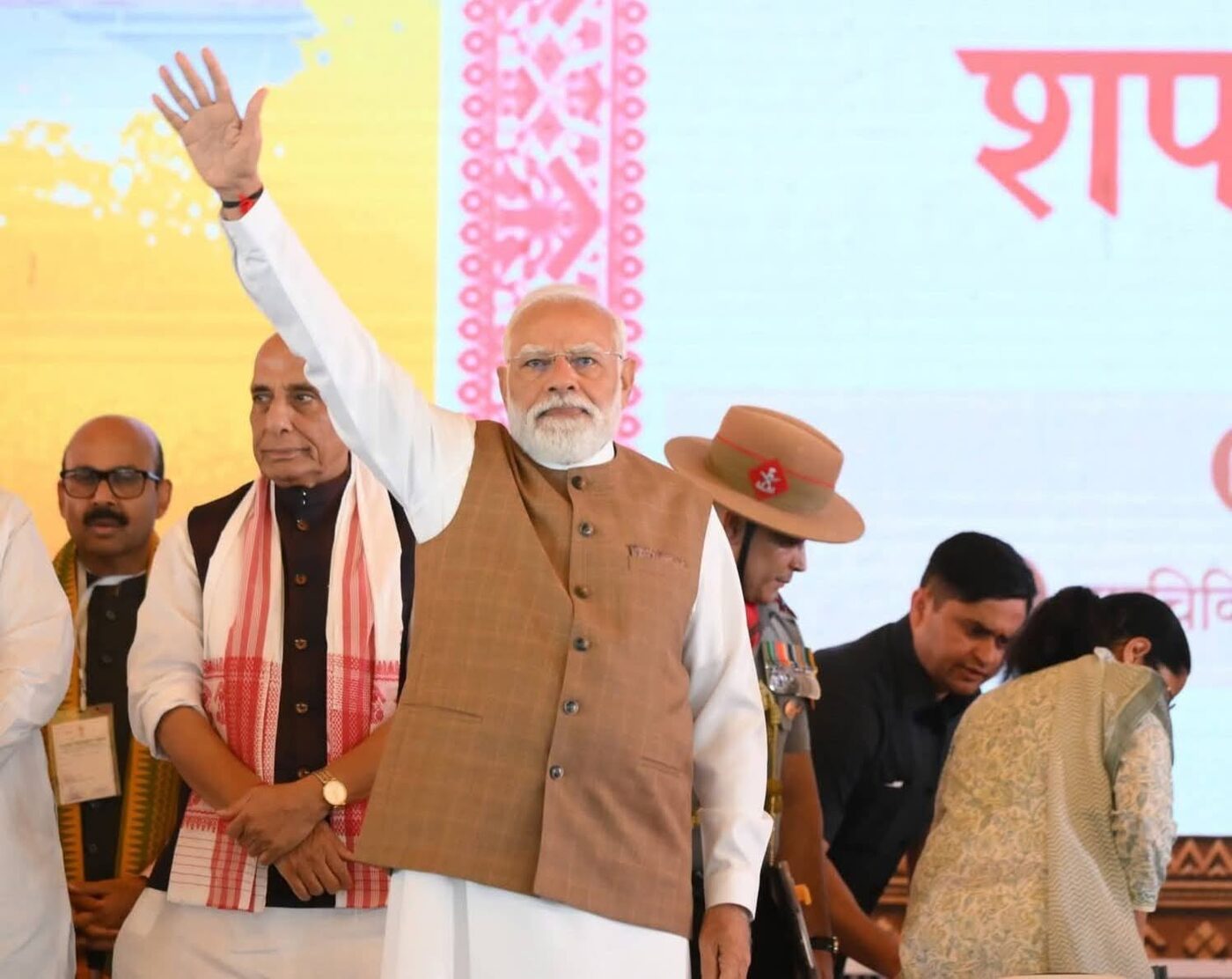
Harish Dwivedi present at a large formal ceremony with senior dignitaries
At a large formal ceremony.
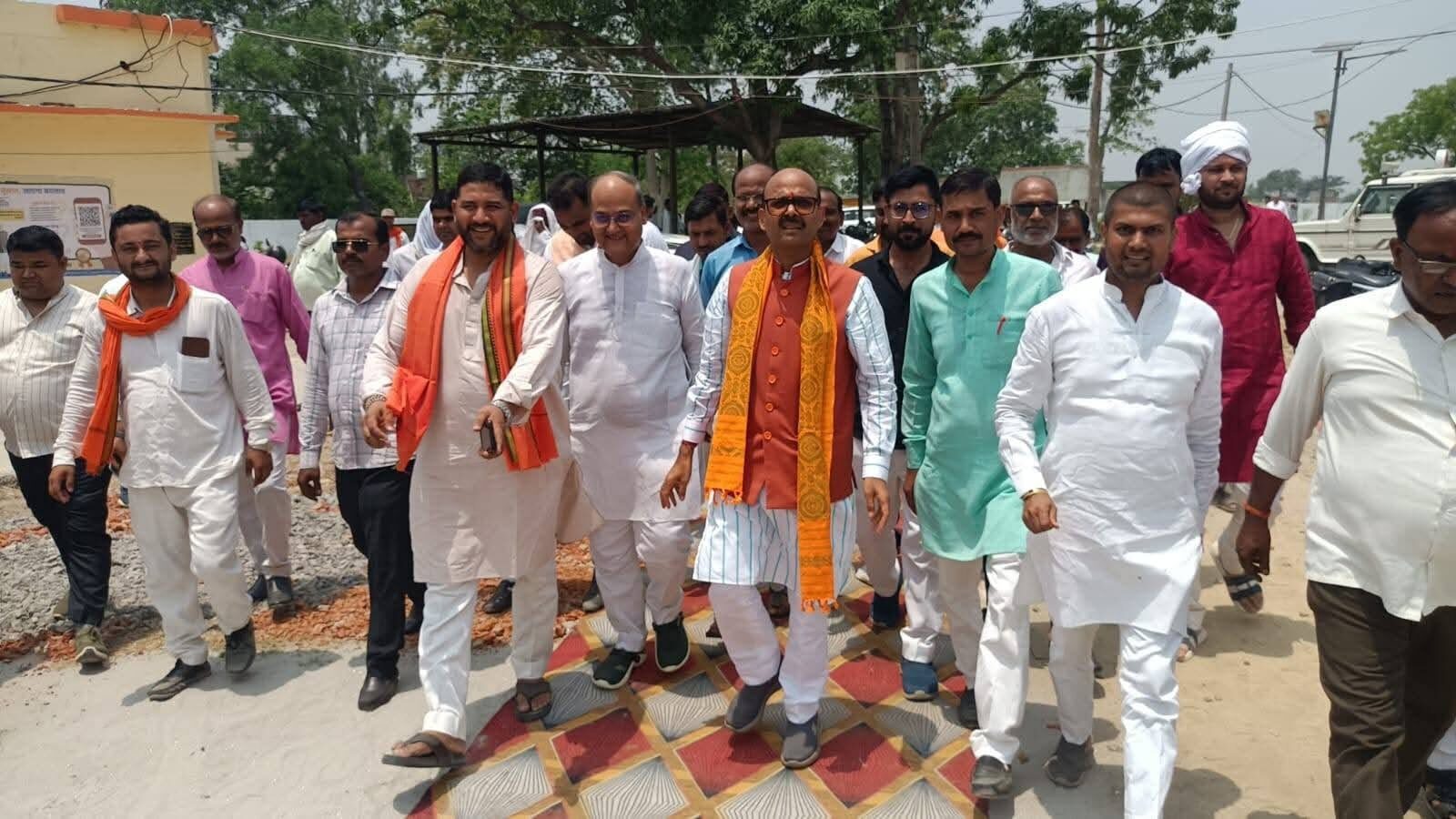
Harish Dwivedi walking along a village road with residents and local representatives
A village visit on foot, accompanied by residents and local representatives.
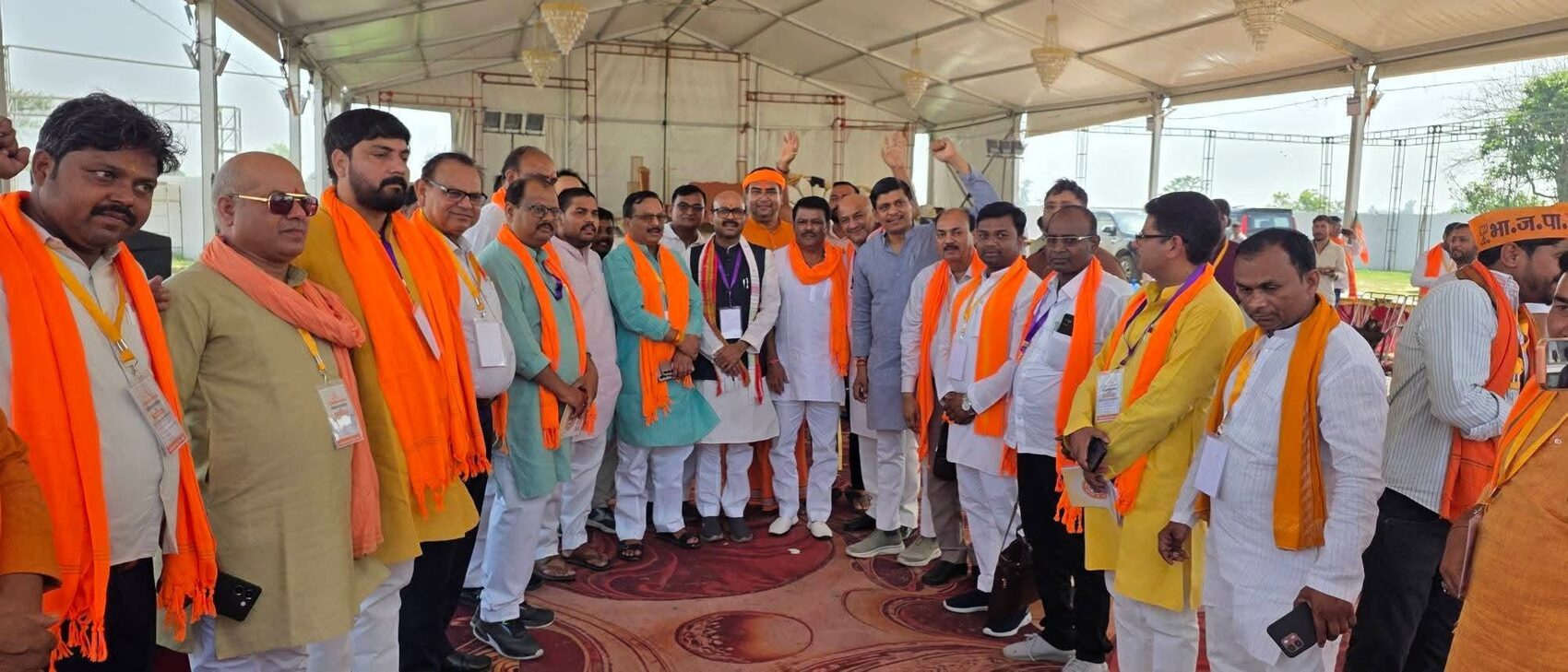
Harish Dwivedi standing with a large group of workers and supporters under a marquee
A large gathering under a marquee — the most common setting for rural public meetings across the cooler months of the year.
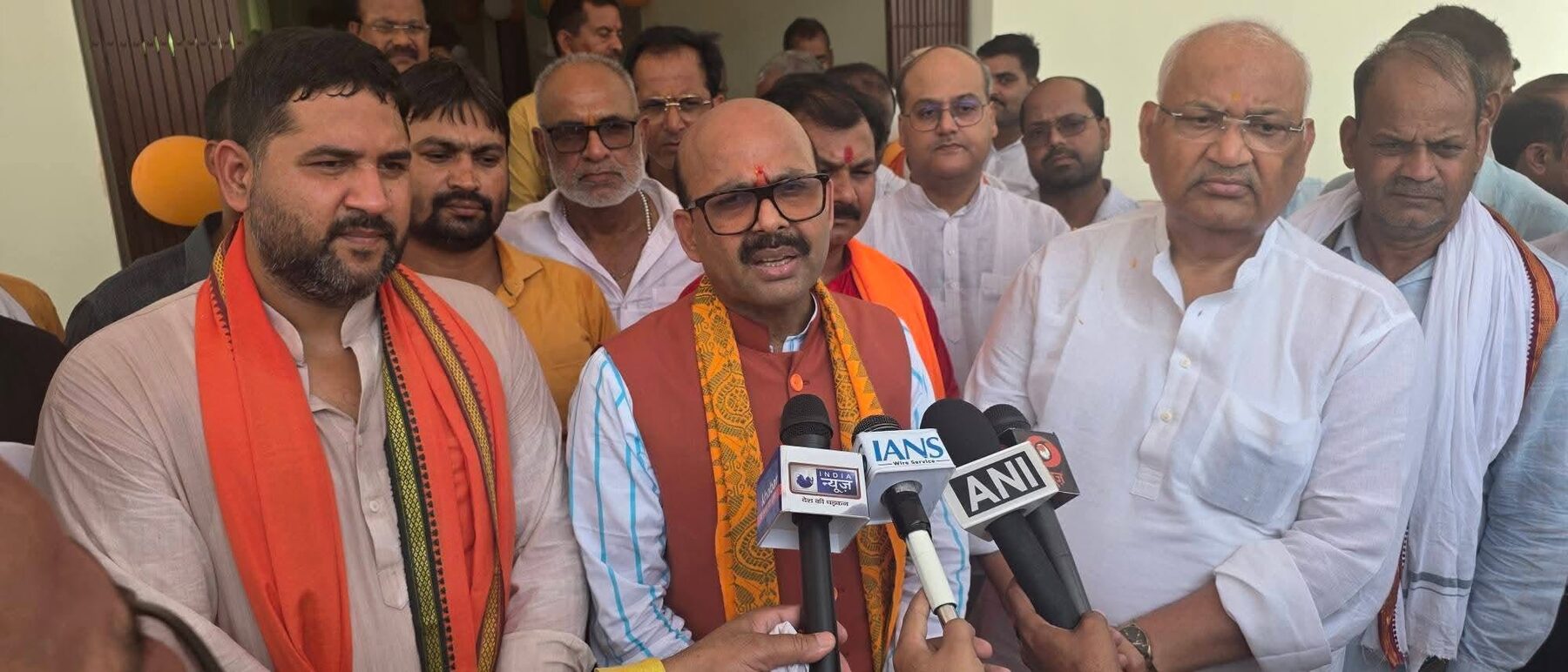
Harish Dwivedi speaking to journalists holding news agency microphones

A media interaction. Answering questions on the record is part of public accountability, and particularly so for issues that a constituency has raised repeatedly without resolution.

Media interaction

How engagement works

Four modes of contact

Engagement that stops at the first stage is attendance. Engagement that runs through all four is representation.

Mode 01

Being present and reachable

Village visits, community programmes, functions and gatherings across five assembly segments and fourteen development blocks. The point is not visibility; it is that a person with a grievance should not have to travel to a district office, or know somebody, in order to be heard.

Mode 02

Listening properly

Most grievances arrive as a particular instance rather than as a general problem. Hearing them properly means taking the specifics — which village, which department, which date, what was said last time — because a complaint without those details cannot be pursued.

Mode 03

Escalating with the right instrument

A single case is a matter for the district administration. A recurring pattern across many blocks is a design failure and belongs in a parliamentary question, a representation to a ministry, or a committee. Choosing the wrong route wastes the complaint.

Mode 04

Returning with an answer

Reporting back — to the same community, including when the answer is that nothing can be done — is the stage most often skipped, and the one that determines whether people bother to raise anything the next time.

About these photographs

The images on this page are from public occasions and community programmes. Captions describe what is visible in each photograph. No claim is made here about the outcome of any particular event, and individuals other than Harish Dwivedi are not identified.

Continue

The full photographic record

Twenty-five photographs from public life — official occasions, community programmes, constituency visits, media interactions and portraits.