Official Website

HarishDwivedi

Agriculturalist and former Member of the Lok Sabha

Ten years representing Basti in the Lok Sabha, and a working life rooted in agriculture. A record built on the ordinary business of public life — sitting with farmers and families, hearing what a village actually needs, and carrying those concerns into the institutions where decisions are made.

Constituency
Basti, Uttar Pradesh
House
16th & 17th Lok Sabha
Service
2014 – 2024
Vocation
Agriculture
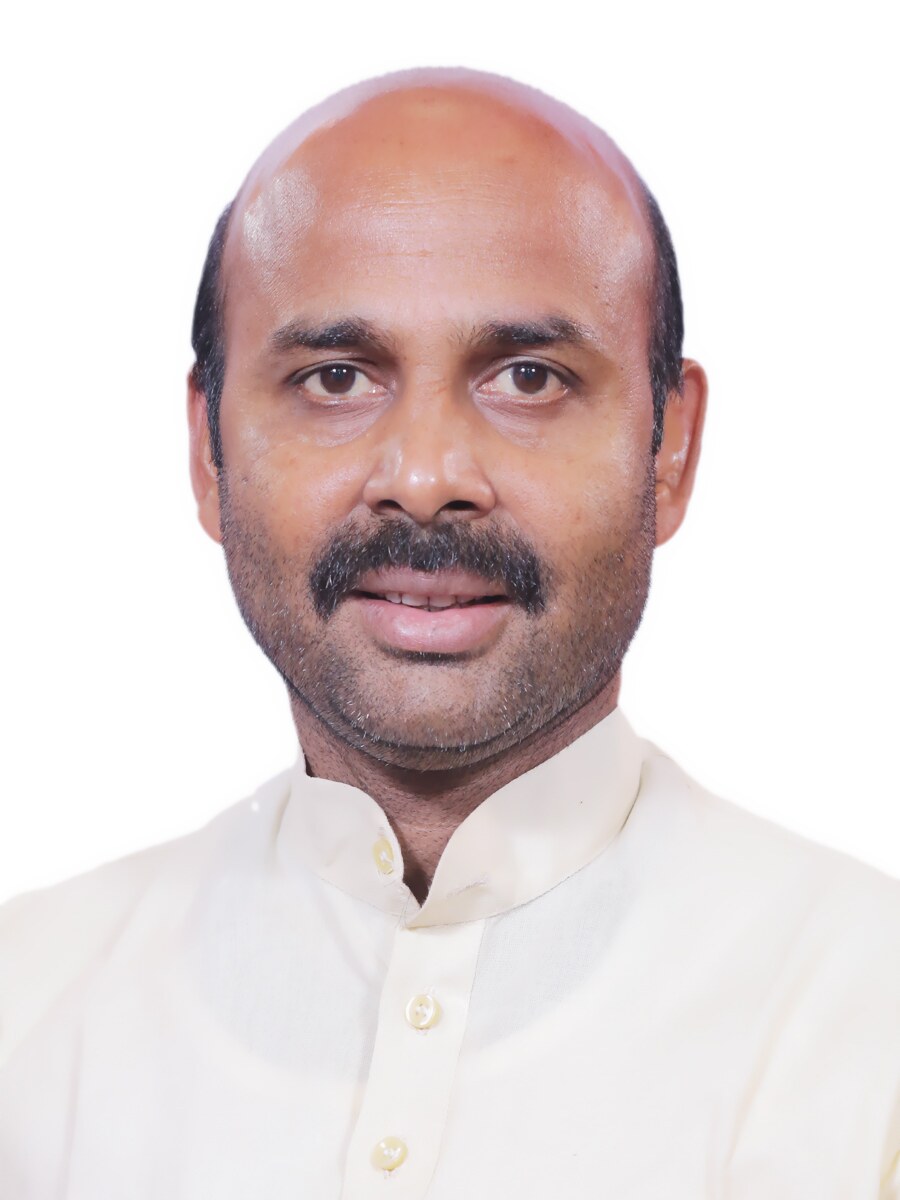
Official portrait photograph of Harish Dwivedi, agriculturalist and former Member of the Lok Sabha for Basti, Uttar Pradesh
Harish Chandra Dwivedi Member of the Lok Sabha, Basti

A life connected to people and land

Where the ground begins

Harish Chandra Dwivedi was born on 22 October 1973 in Teliyajot, a village in Basti district in eastern Uttar Pradesh. He took his Master of Arts in Political Science in 1998 through Deen Dayal Upadhyay Gorakhpur University, and his recorded occupation, then and since, is agriculturist. That single word carries most of what is worth knowing about the outlook of this website: a public life that began on farmland and never entirely left it.

Basti is not an abstraction to him. It is a district of some 2.46 million people spread across 2,688 square kilometres, four tehsils and fourteen development blocks, where the Ghaghara draws the southern boundary and the cropping year still sets the rhythm of family income. He was elected from this constituency to the 16th Lok Sabha in 2014 and returned to the 17th in 2019, serving until 4 June 2024.

Representation of that kind is less about ceremony than about translation. A blocked drain, a delayed procurement payment, a school without a teacher, a canal that silts every second monsoon — these arrive as individual complaints and have to be converted into questions on the floor of the House, into committee correspondence, into departmental follow-up. Ten years of that work is the substance of the pages that follow.

Two million four hundred thousand people. Fourteen development blocks. Five assembly segments. One seat in the House.

Basti Lok Sabha constituency · Census of India, 2011
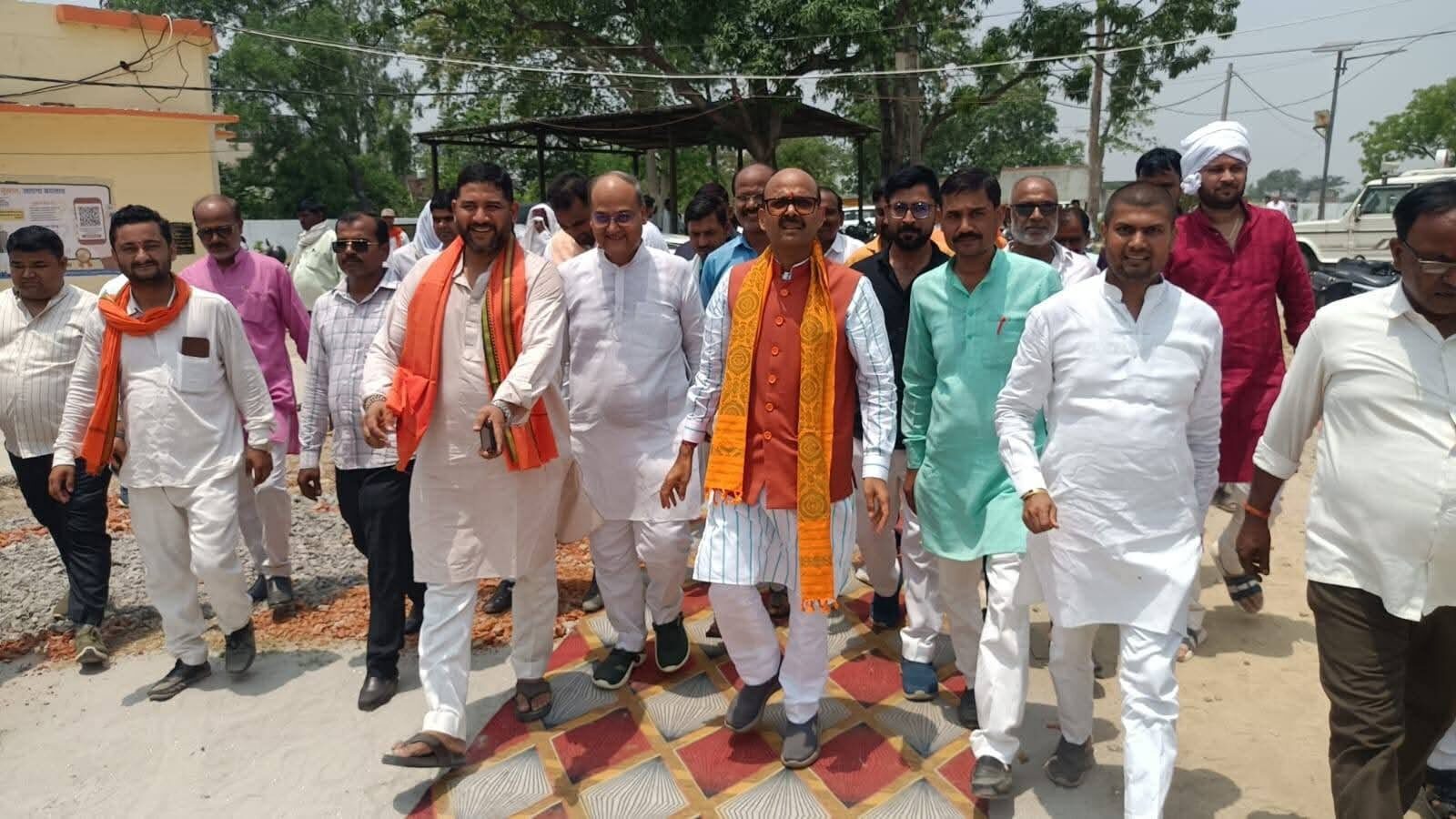
Harish Dwivedi walking along a village road with residents and local representatives
Constituency work is done on foot as much as in an office — a village visit in the Basti countryside.
  • Agriculture
  • Rural development
  • Public representation
  • Community engagement

Public service & leadership

Four strands of
responsibility

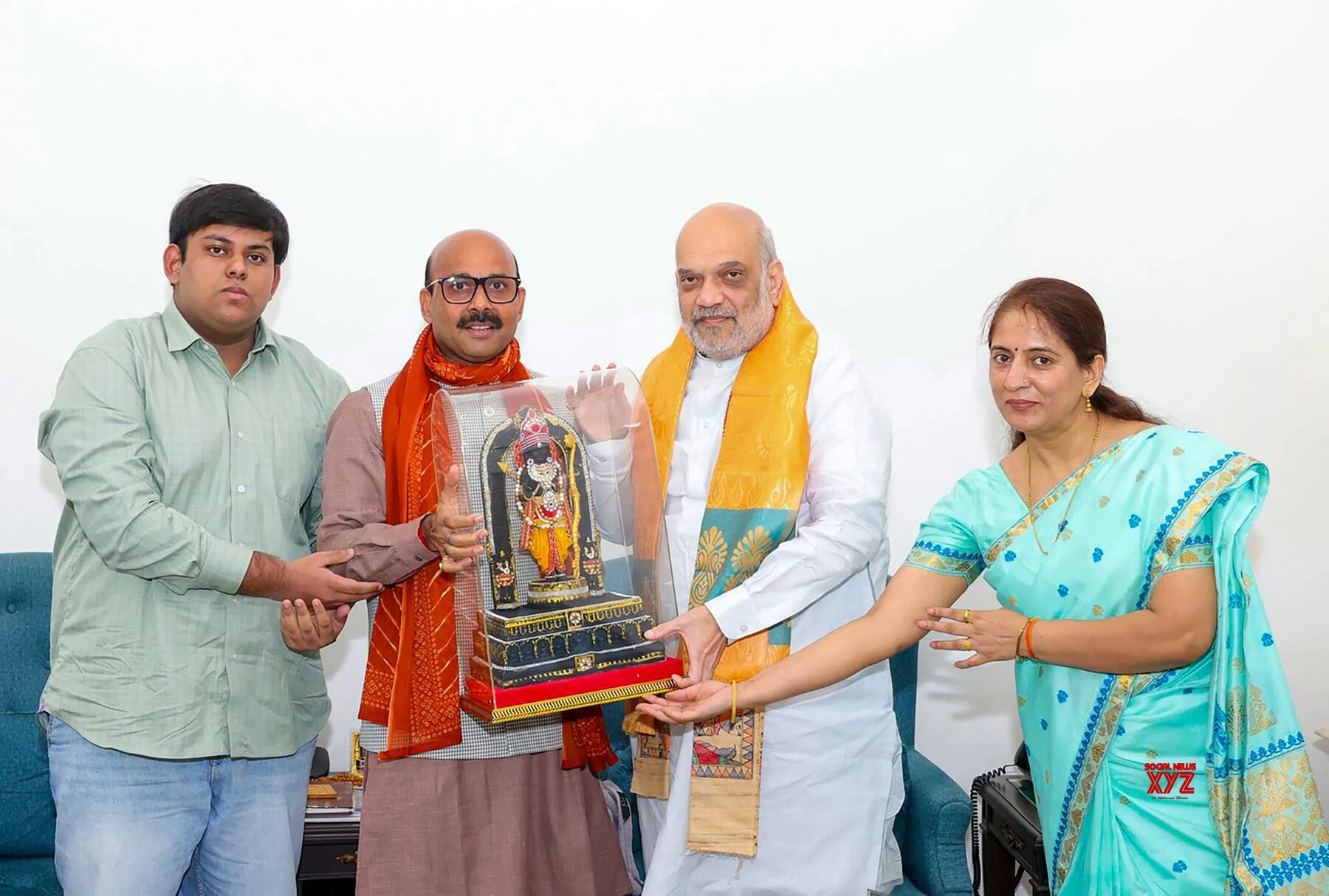
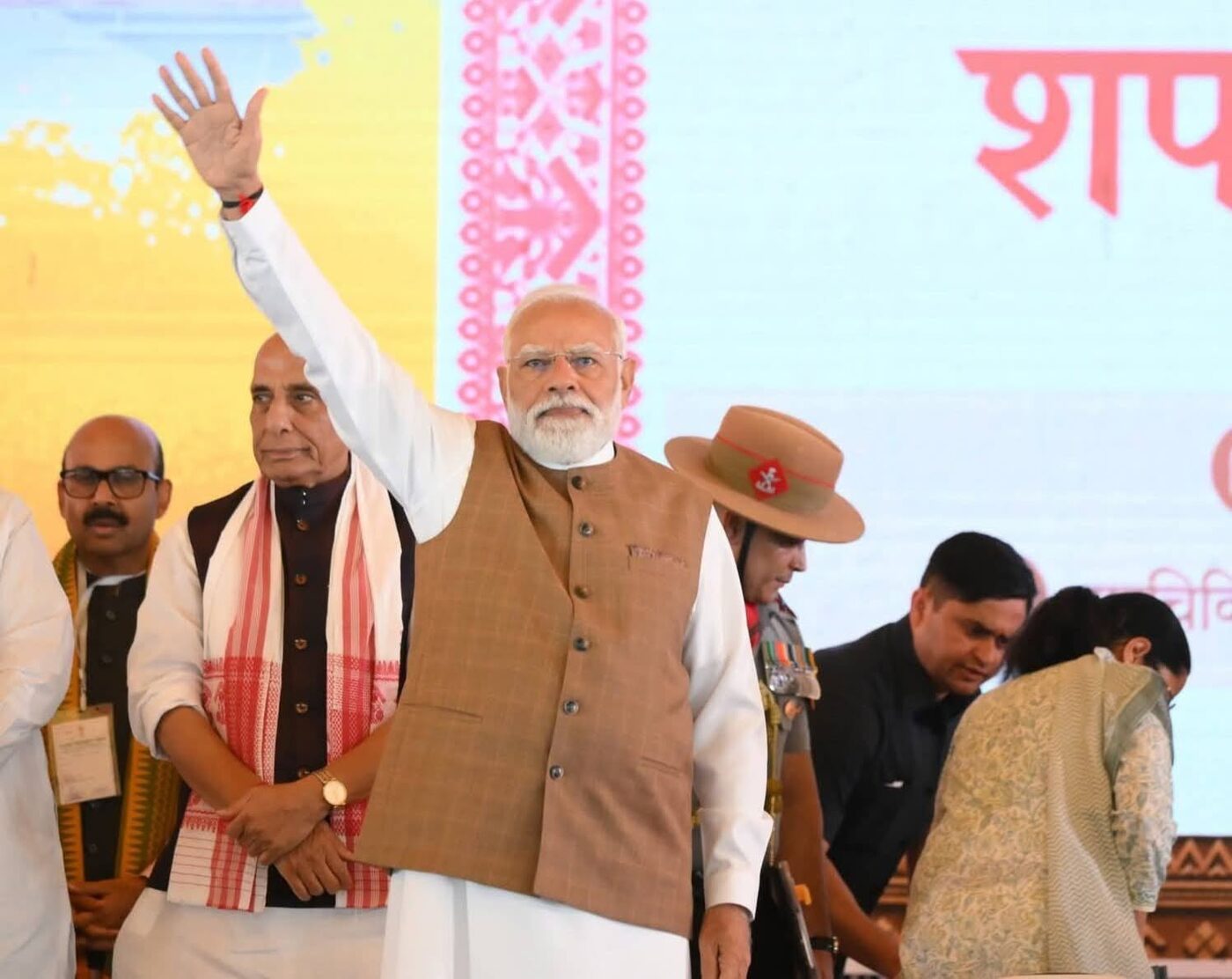
Harish Dwivedi presenting a memento at a party function attended by senior national leadership
At a party function attended by senior national leadership.
  1. 01

    Electoral representation

    Elected to the 16th Lok Sabha from Basti in May 2014 with a margin of 33,562 votes, and returned to the 17th Lok Sabha in 2019 with a margin of 30,354 votes. Two consecutive mandates from the same constituency — a relationship measured in years rather than campaigns.

  2. 02

    Committee service

    Membership of the Standing Committee on Energy, the Standing Committee on Information Technology and the Standing Committee on Finance, and Chairperson of the Committee on Petitions through the 17th Lok Sabha — the committee through which citizens petition Parliament directly.

  3. 03

    Organisational responsibility

    Beyond the House, responsibility within the Bharatiya Janata Party organisation: service as a National Secretary, appointment as State In-charge (Prabhari) for Assam in July 2024, and appointment as a National General Secretary on 17 August 2026.

  4. 04

    Constituency presence

    The Basti parliamentary seat covers five assembly segments — Harraiya, Kaptanganj, Rudhauli, Basti Sadar and Mahadewa — across a district of fourteen development blocks. Presence across that geography is the base condition of the work, not an addition to it.

Parliamentary experience

Ten years on the
floor of the House

A Member of Parliament holds one seat and a very wide brief. The work divides roughly into four parts: sitting in the House when it meets, raising questions that oblige a ministry to answer on the record, contributing to legislation and debate, and doing the slower committee work where policy is examined line by line.

Across two terms Harish Dwivedi's record on the question hour is the most substantial of these. The figures below are drawn from published parliamentary data and are reproduced as recorded — including where they sit below the national average, because a public record is only useful if it is complete.

See the full record

02 Terms in the Lok SabhaThe 16th (2014–2019) and the 17th (2019–2024), both from Basti.
10 Years of representation16 May 2014 to 4 June 2024, without a break in service.
518 Questions asked in the House328 during the 16th Lok Sabha and 190 during the 17th.
86% Attendance, 16th Lok SabhaRecorded attendance was 74% during the 17th Lok Sabha.
04 Parliamentary committeesEnergy, Information Technology, Finance, and the Committee on Petitions as Chairperson.
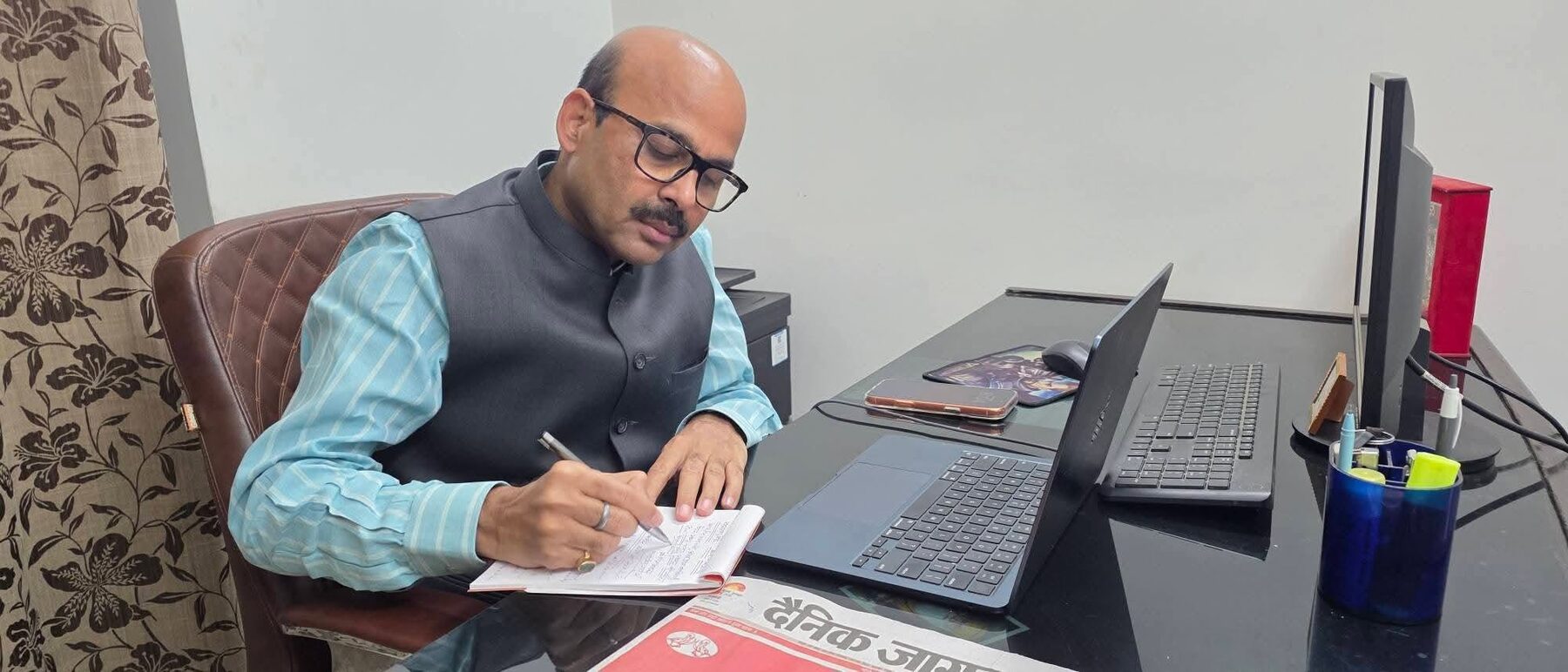
Harish Dwivedi working at his desk, reviewing and signing papers
Between sittings. The larger part of parliamentary work is correspondence, briefs and follow-up carried out away from the chamber.

Agriculture & rural perspective

Read the land
in three layers

Rural policy is usually written from the top down. It is better understood from the ground up — soil, then water, then the household that depends on both.

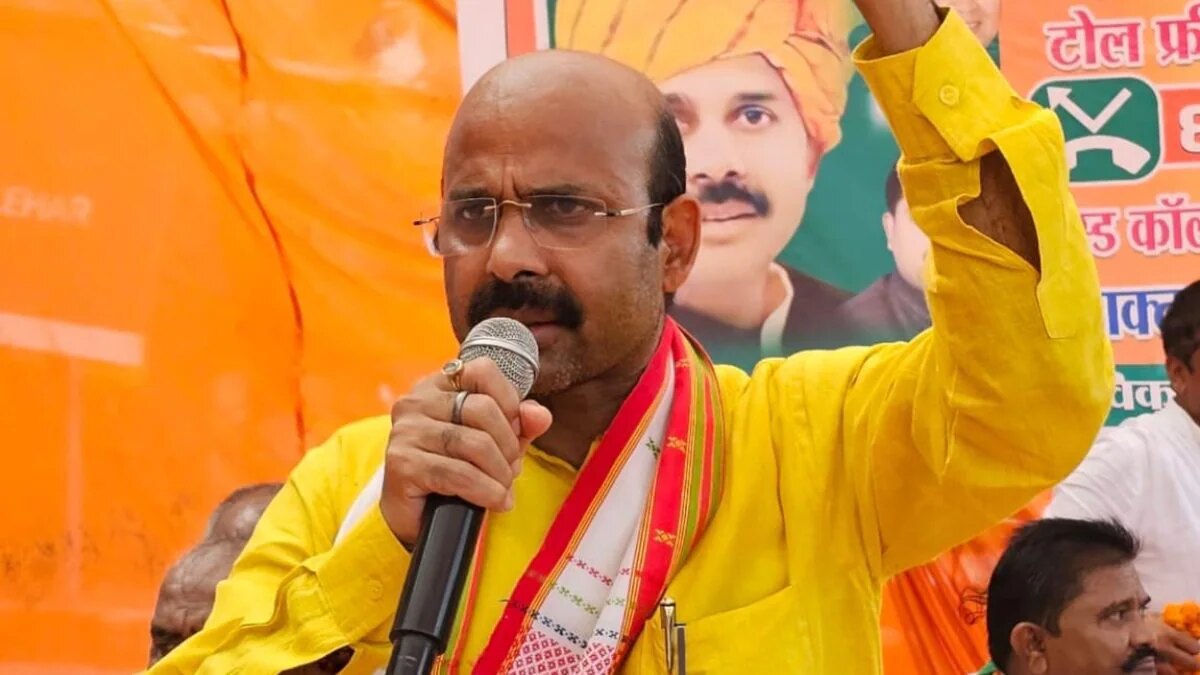
Harish Dwivedi addressing a public gathering with a microphone
Addressing a public gathering.
01

Land — the alluvial plain

Basti sits on the Gangetic alluvium of eastern Uttar Pradesh: level, fertile and intensively farmed. Forest cover in the district has receded over generations precisely because cultivation expanded, leaving mango, mahua, sal, bamboo, eucalyptus and shisham as the characteristic tree cover. Density is high — 917 people to the square kilometre — which means holdings are small and every decision about land use has an immediate household consequence.

02

Water — the Ghaghara and its tributaries

The Ghaghara forms the district's southern boundary, separating it from Ayodhya and Ambedkar Nagar; the West Rapti and the Jamuwar run through the wider region. A river system on this scale is both the asset and the risk: it underwrites irrigation and groundwater recharge, and it sets the terms of the flood season. Any serious rural agenda for this plain begins with water — drainage, embankment, canal maintenance and the recharge of falling water tables.

03

Livelihood — crop, mill and workshop

The district's cropping pattern is sugarcane, maize, paddy, pulses, wheat, barley and potato, supported by four sugar factories. Around that sits a layer of cottage and small-scale industry — brassware, iron and carpentry goods, agricultural implements, bricks, agro-products, footwear, soap, candles and pottery. This second layer is where non-farm rural income is actually made, and it is chronically under-supported.

Agriculture & rural development

Development priorities

Six areas that decide
whether a district moves

Basti was among the districts identified in 2006 for the Backward Regions Grant Fund. That designation is a statement about starting conditions, not about capacity — and it makes the sequencing of development choices unusually consequential.

Agriculture

Farm income, not just farm output

Yield alone does not lift a household. Procurement that pays on time, storage close to the field, grading and primary processing in the block rather than the city — these determine how much of the crop's value stays with the person who grew it.

Water

Irrigation, drainage and recharge

In a river district the same infrastructure serves opposite purposes in different seasons. Canal desilting, field drainage, embankment upkeep and pond restoration are unglamorous works with direct effects on both the kharif and the rabi crop.

Infrastructure

The road, the line and the link

Rural roads that survive a monsoon, dependable power for pump sets and small workshops, and connectivity that reaches the last village. Infrastructure is the precondition for almost every other development outcome, including education and health.

Education

From enrolment to attainment

District literacy stood at 67.22% at the 2011 Census, below the national figure. Closing that gap is a question of teachers present in classrooms, girls staying in school past the middle years, and vocational routes that lead to work locally.

Healthcare

Care within reach of the village

Distance is the decisive variable in rural health. Functioning primary health centres, staffed sub-centres, maternal and child services, and referral that does not depend on a family's ability to travel are what convert entitlement into treatment.

Youth & work

Reasons to stay

Out-migration from eastern Uttar Pradesh is a structural fact. Skilling tied to actual local demand, credit that reaches first-generation entrepreneurs, and support for the district's existing crafts and small manufacturing give young people a genuine local option.

The full set of priorities

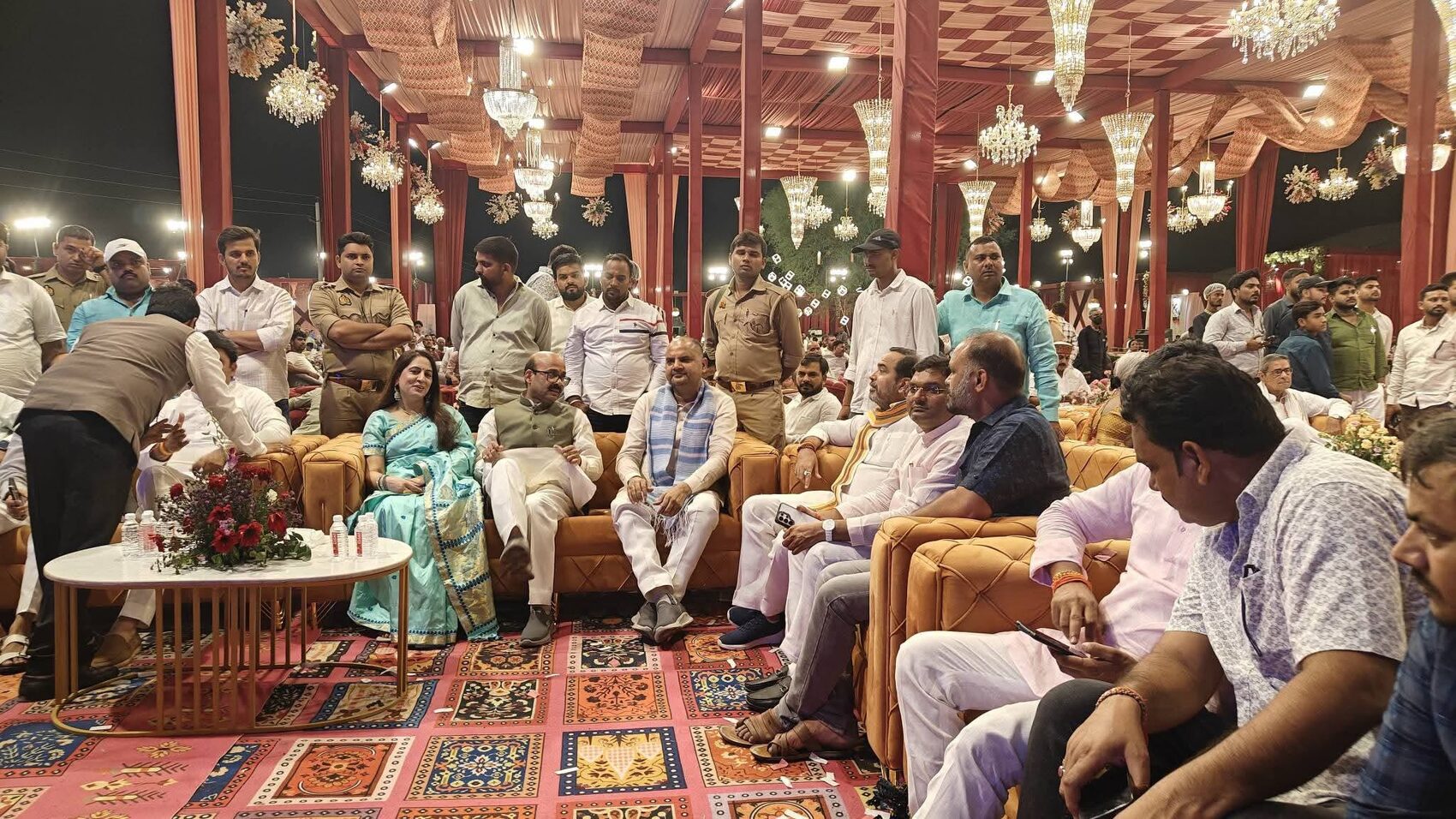
A large indoor public gathering attended by Harish Dwivedi and community members
A community gathering — the format in which most constituency listening actually happens.

Public engagement

Being available is
the first duty

Most of what a representative learns does not arrive through official channels. It arrives in courtyards, at gatherings, at the edge of a field, in the ten minutes after a function ends. The value of that contact is not symbolic — it is the raw material of everything that follows.

  • ListeningOpen access at gatherings and village visits, where a concern can be stated in person rather than filed.
  • RecordingTurning individual complaints into a documented case that a department can be asked to answer.
  • EscalatingCarrying recurring problems into questions, committee correspondence and departmental follow-up.
  • Reporting backReturning to the same community with what happened — including when the answer was no.

See public engagement

Vision forward

What a rural district
should look like in a decade

Not a slogan, but a sequence. Each stage below depends on the one before it, which is why development in a district like Basti cannot be done in a single push.

Stage 01

A productive countryside

Water where it is needed, soil health measured rather than assumed, and enough storage and primary processing near the field that a good harvest is not a price collapse.

Stage 02

Infrastructure to the last village

All-weather roads, dependable power, and digital connectivity treated as basic services rather than as amenities — because health, schooling and enterprise all run on them.

Stage 03

A generation equipped

Schools that hold students to completion, skilling matched to work that exists within the district, and credit that a first-generation entrepreneur can actually obtain.

Stage 04

Governance people can see

Published lists, visible timelines, and a habit of reporting back. Public confidence is built by accounting for what was not achieved as much as by announcing what was.

Latest updates

Recent milestones

Dated entries from the public record. Official announcements and further updates will be published on this website as they are issued.

  • 17 August 2026

    Appointed National General Secretary of the Bharatiya Janata Party

    Named to the national office bearers’ team of the party organisation.

    Read more
  • July 2024

    Appointed State In-charge (Prabhari) for Assam

    Organisational responsibility for the party unit in Assam.

    Read more
  • 4 June 2024

    Conclusion of ten years as Member of the Lok Sabha for Basti

    The end of two consecutive terms in the 16th and 17th Lok Sabha.

    Read more

Gallery

From public life

Photographs from official occasions, community programmes and constituency visits. The complete gallery holds twenty-five images.

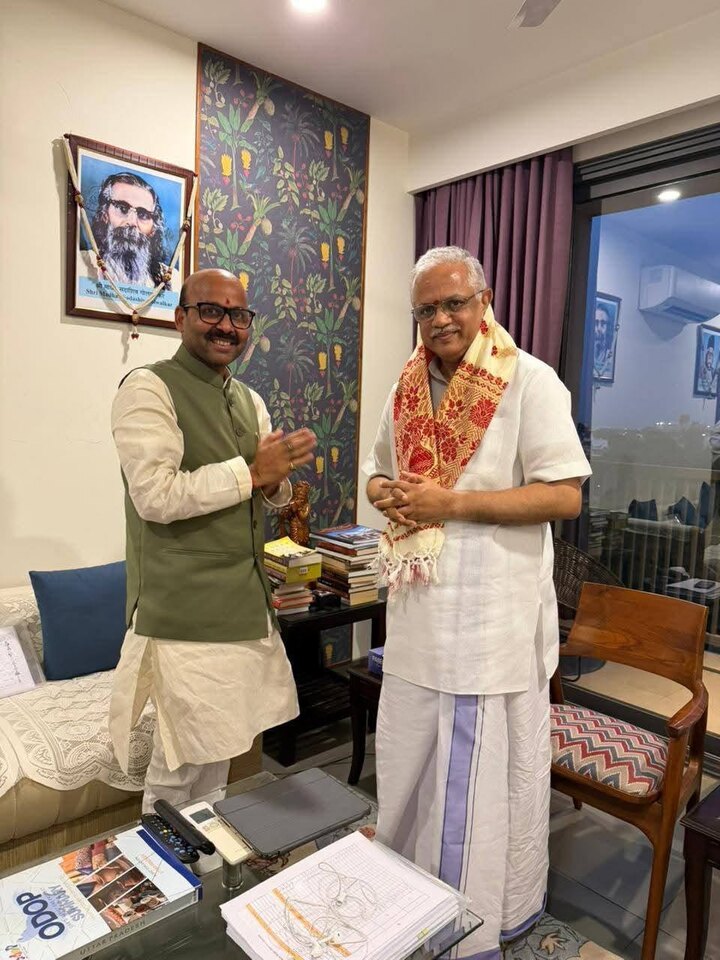
Harish Dwivedi greeting a senior guest in an office setting
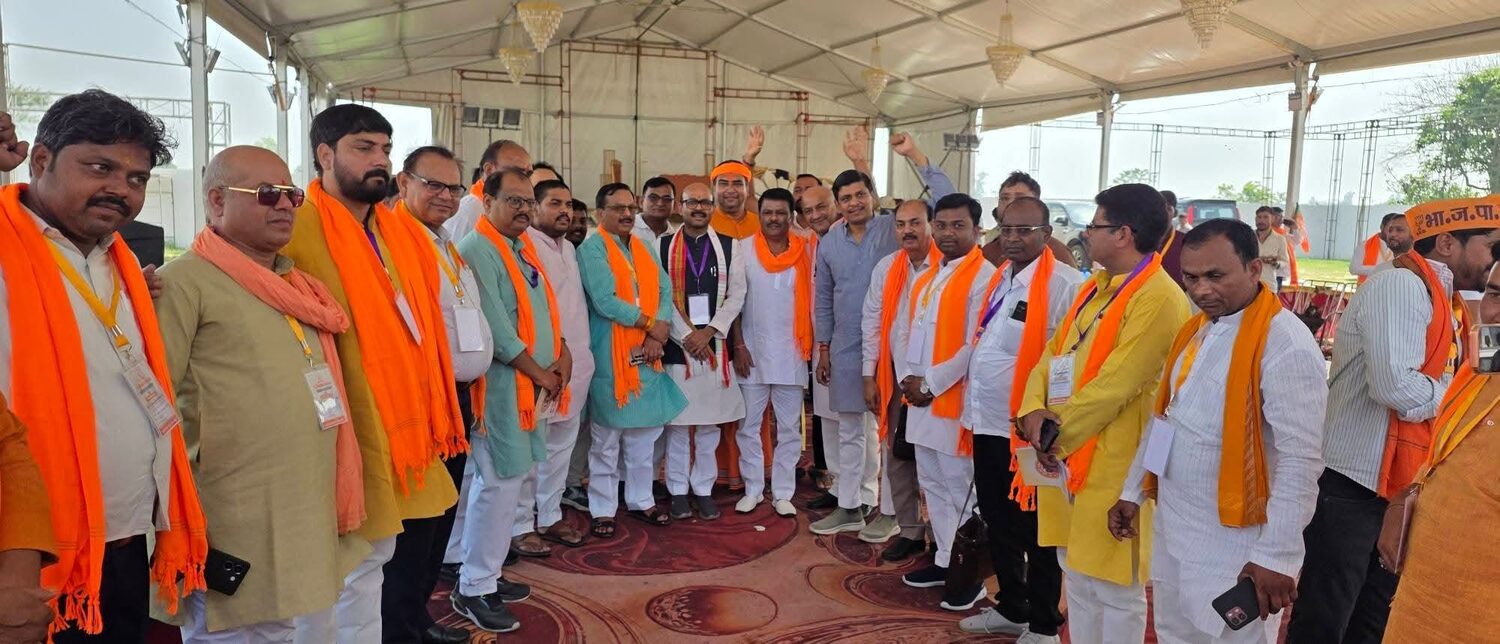
Harish Dwivedi with a large group of party workers gathered under a marquee
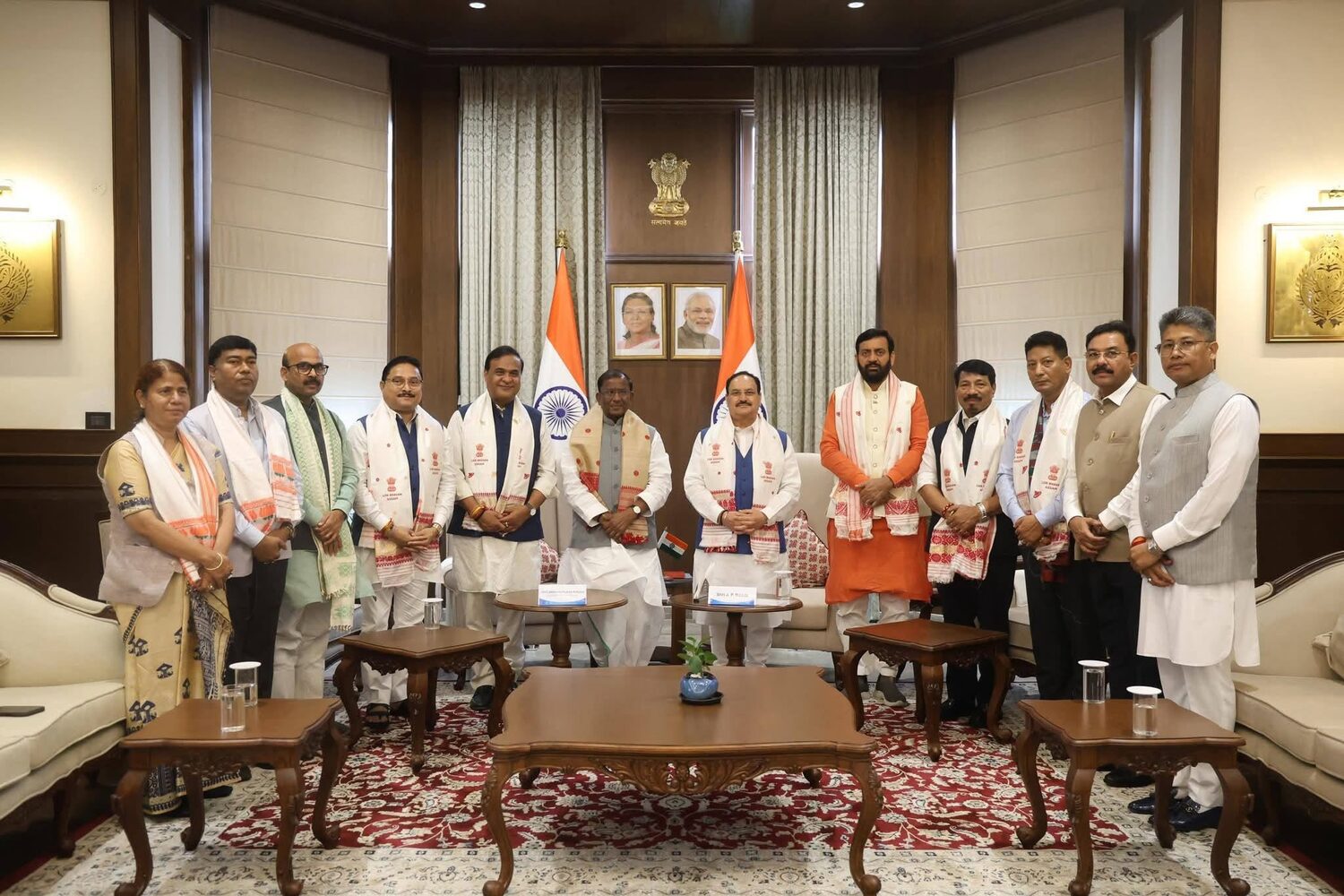
Harish Dwivedi with a delegation in an official reception room displaying the national flag
Harish Dwivedi at a large official ceremony

Get in touch

Correspondence,
enquiries and media

All enquiries relating to this website and to Harish Dwivedi are handled by Mr. Digant Sharma.

ContactMr. Digant Sharma